Love this? Save it for later!
Share the inspiration with your friends
“You’ve got to try this risotto!” my neighbor called out just as I was wiping down the kitchen counters after a long day. Honestly, I wasn’t expecting much—risotto always seemed a bit intimidating to me. But that day, with spring bursting outside my window and a fridge full of random veggies, I gave Joanna Gaines’ creamy spring vegetable risotto a shot. What started as a casual, “Let’s see if this works” moment turned into multiple dinners in a week. The way the tender asparagus and peas mingled with the rich, velvety rice… well, it just stuck with me.
The smell alone—garlic and fresh herbs wafting through the kitchen—made me pause and realize how comforting simple food can be. Not too fussy, yet somehow fancy enough to impress any guest (or just myself on a quiet evening). It’s the kind of recipe that feels like a hug from the inside, especially when you’re craving something homemade but without hours of prep. I kept thinking about how this was perfect for that delicate balance of ease and elegance I always chase in weeknight dinners.
And while I’ve made plenty of risottos before, Joanna’s version has this subtle creaminess that’s not just from cheese (though that’s there too!) but from a little trick she swears by. It’s the kind of dish I find myself returning to when I want to feel grounded without turning on the oven for hours. Honestly, if you’ve ever hesitated about making risotto at home, this recipe might just change your mind, too.
It’s not just dinner; it’s a quiet moment of satisfaction that lingers. And that’s why this creamy spring vegetable risotto has earned a small but special spot in my recipe rotation.
Why You’ll Love This Creamy Spring Vegetable Risotto Recipe
After trying Joanna Gaines’ creamy spring vegetable risotto several times, I can say it’s become one of those recipes I trust for both simplicity and wow factor. If you’ve ever thought risotto was tricky or time-consuming, this one breaks down those barriers with a few smart tweaks and fresh ingredients that bring it all together beautifully.
- Quick & Easy: You can have this creamy spring vegetable risotto ready in about 35-40 minutes — perfect for busy weeknights or when you want a homemade dinner without the fuss.
- Simple Ingredients: Nothing exotic here. Just pantry staples and fresh spring veggies like asparagus and peas. I usually find everything I need right in my fridge or local market.
- Perfect for Seasonal Meals: The bright green veggies make it a springtime favorite, but it’s easy to swap in what’s fresh — like zucchini or baby spinach.
- Crowd-Pleaser: I’ve served this at small gatherings and family dinners, and it always gets compliments — even from the risotto skeptics.
- Unbelievably Delicious: The creamy texture and fresh vegetable pops create this comforting yet light dish that feels both indulgent and wholesome.
What sets this recipe apart is Joanna’s subtle technique of stirring in a touch of cream cheese alongside Parmesan, giving it a silkiness that’s different from your typical risotto. Plus, the balance of fresh herbs and garlic lifts the flavor without overpowering the veggies. Honestly, it’s the kind of meal that makes you close your eyes after the first bite and just savor the moment.
This recipe isn’t just another risotto; it’s a homey, satisfying dish that feels special, yet is totally doable without stress. Whether you’re impressing friends or treating yourself to a cozy night in, it’s a recipe you’ll want to keep close.
What Ingredients You Will Need for Creamy Spring Vegetable Risotto
This creamy spring vegetable risotto uses simple, wholesome ingredients to deliver a rich flavor and satisfying texture — all without complicated steps or hard-to-find items. Most of these are pantry staples or fresh spring produce you can easily source.
- Arborio rice (1 ½ cups / 300g) – The star of any risotto, it absorbs liquid without losing its bite. I prefer Carolina brand for consistent results.
- Vegetable broth (4 cups / 950ml), kept warm – Adds depth and keeps the risotto flavorful. Homemade or low-sodium store-bought works great.
- Unsalted butter (3 tablespoons / 45g), divided – Used for sautéing and finishing; adds richness.
- Olive oil (2 tablespoons / 30ml) – For sautéing garlic and veggies.
- Yellow onion (1 small, finely chopped) – Builds base flavor.
- Garlic cloves (3, minced) – Adds aromatic warmth.
- Asparagus (1 bunch / ~12 spears, trimmed and cut into 1-inch pieces) – Fresh, tender, and perfect for spring.
- Frozen peas (1 cup / 150g) – I love the burst of sweetness here; fresh peas work if you have them.
- Dry white wine (½ cup / 120ml) – Optional but recommended for that classic risotto tang.
- Parmesan cheese (½ cup / 50g, freshly grated) – For that savory, nutty finish. Look for Parmigiano-Reggiano if you can.
- Cream cheese (2 tablespoons / 30g, softened) – Joanna’s secret for creamy texture without extra cream.
- Fresh parsley (2 tablespoons, chopped) – Adds freshness and color.
- Salt and freshly ground black pepper – To taste, seasoning throughout.
- Lemon zest (1 teaspoon) – Optional but brightens the whole dish beautifully.
For substitutions: If you’re gluten-free, this risotto is naturally safe (just check your broth labels). You can swap out cream cheese for a dairy-free version, or use almond milk in place of wine for a non-alcoholic twist. Seasonal swaps like baby spinach or zucchini work well if asparagus is scarce.
Equipment Needed
- Large heavy-bottomed skillet or sauté pan – A wide pan helps with even cooking. I’ve used both stainless steel and nonstick; stainless steel gives a better fond for flavor.
- Medium saucepan – To keep your broth warm on the stove, which is key for risotto.
- Wooden spoon or silicone spatula – For stirring gently without mashing the rice.
- Measuring cups and spoons – Precision matters for liquids and seasoning.
- Grater – For fresh Parmesan and lemon zest.
- Knife and cutting board – For prepping veggies.
If you don’t have a heavy-bottomed pan, a thick nonstick skillet works in a pinch, but watch the heat carefully to avoid scorching. I always recommend warming the broth separately—keeps the rice cooking evenly. For a budget-friendly option, a trusty cast iron pan can double as your risotto pan and last a lifetime.
Preparation Method for Creamy Spring Vegetable Risotto
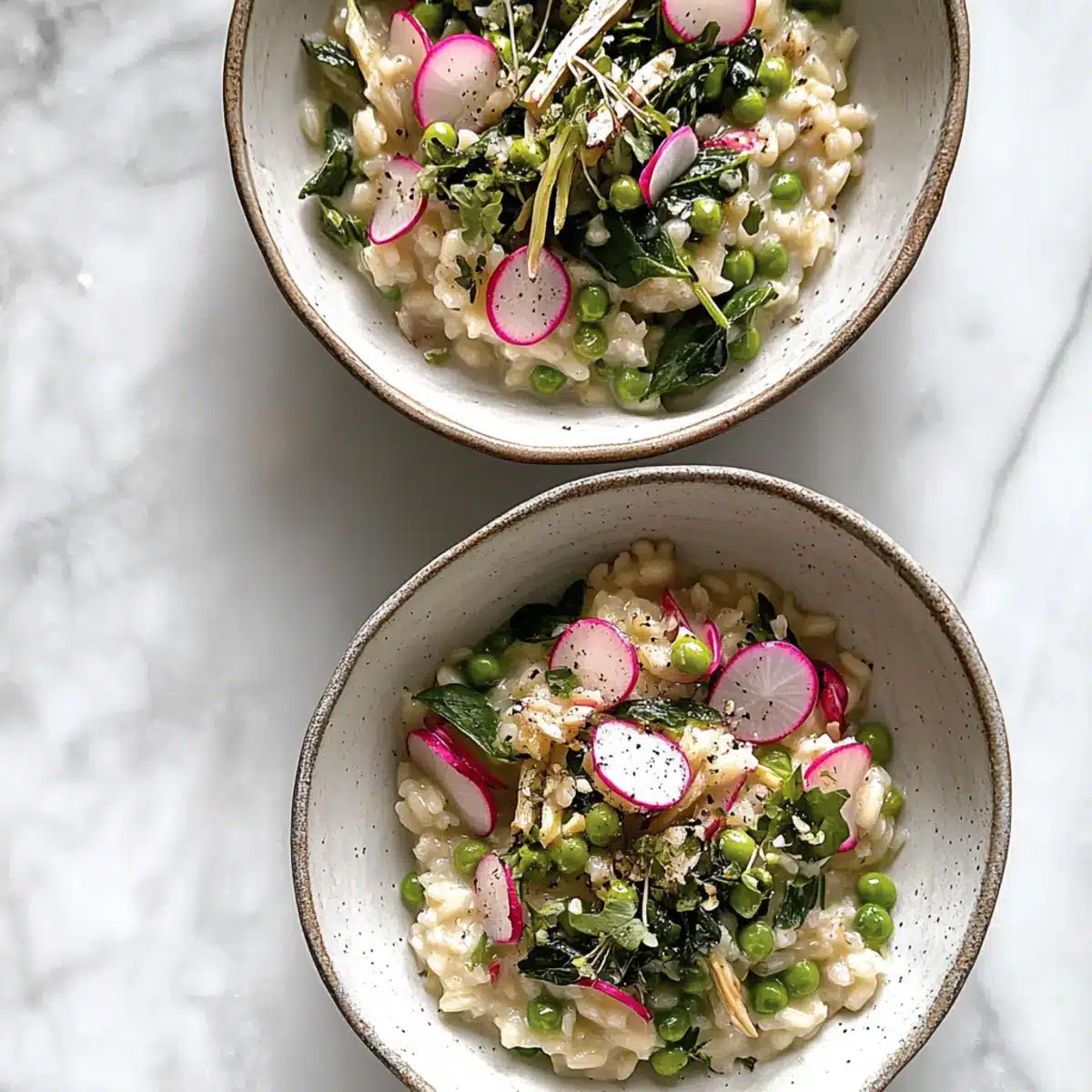
- Warm your broth: Pour 4 cups (950ml) of vegetable broth into a medium saucepan and keep it on low heat. It should be hot but not boiling—this helps the rice cook evenly.
- Sauté the aromatics: In a large skillet over medium heat, melt 1 tablespoon (15g) of butter with 2 tablespoons (30ml) olive oil. Add the finely chopped onion and cook until translucent and soft, about 4-5 minutes. Stir in the minced garlic and cook for another 1 minute until fragrant.
- Add the rice: Pour in 1 ½ cups (300g) Arborio rice and stir well to coat each grain with the butter and oil mixture. Toast the rice gently for about 2 minutes—you’ll notice it turning slightly translucent at the edges, which is perfect.
- Deglaze with wine: Carefully pour in ½ cup (120ml) dry white wine, stirring constantly until mostly absorbed. This step adds a subtle tang and depth.
- Begin adding broth: Add about ½ cup (120ml) of the hot vegetable broth to the rice. Stir gently and frequently until the liquid is nearly absorbed, about 3-4 minutes.
- Repeat broth addition: Continue adding broth ½ cup at a time, stirring often and waiting until it’s mostly absorbed before adding more. This process takes about 20-25 minutes total. The rice should become tender but still have a slight bite.
- Cook the vegetables: When you’ve added about half the broth, stir in the trimmed asparagus pieces. Add the frozen peas during the last 5 minutes of cooking to keep their bright color and fresh snap.
- Finish with creaminess: Once the rice is tender and creamy, remove the pan from heat. Stir in 2 tablespoons (30g) softened cream cheese, ½ cup (50g) grated Parmesan, and 2 tablespoons chopped fresh parsley. Add 2 tablespoons (30g) butter for extra richness if you like.
- Season and brighten: Season with salt, freshly ground black pepper, and 1 teaspoon lemon zest. Taste and adjust seasoning as needed.
- Serve immediately: Risotto waits for no one! Spoon into warm bowls and enjoy right away for the best texture.
Pro tip: Keep your stir gentle to avoid breaking the grains, and use a wooden spoon. Don’t rush the broth additions—patience is key to that luscious creaminess. If the risotto looks too thick, add a splash of broth or water to loosen it before serving.
Cooking Tips & Techniques for Perfect Risotto Every Time
Risotto can feel intimidating, but a few key tips make it manageable and even enjoyable. One thing I learned is that the constant stirring isn’t about arm workout—it helps release the starches that give risotto its signature creaminess.
Using warm broth is essential; cold broth cools the rice down and slows cooking. I keep a pot simmering beside me and ladle it in gradually. Also, don’t be tempted to dump all the broth at once. Slow addition encourages even cooking and a better texture.
When adding vegetables like asparagus and peas, timing matters. Adding them too early will overcook them, turning them mushy. Introducing asparagus halfway through and peas near the end keeps their bright color and fresh bite.
One trick Joanna Gaines uses—and one I swear by now—is stirring in a small amount of cream cheese alongside Parmesan at the end. It adds a silky texture without making the dish heavy or greasy.
Don’t forget to taste as you go, especially for seasoning. Risotto usually needs a pinch of salt to bring everything to life, but be careful if your broth is already salted.
Lastly, risotto is best served fresh. It thickens as it cools, so if you plan to reheat leftovers, add a splash of broth or water and gently warm it while stirring to bring back that creamy texture.
Variations & Adaptations of Creamy Spring Vegetable Risotto
This recipe is wonderfully flexible depending on your pantry, season, or dietary needs.
- Protein boost: Add grilled chicken breast, sautéed shrimp, or crispy pancetta for a heartier dish. For a vegetarian protein, stir in cooked chickpeas near the end.
- Seasonal swaps: In late summer, swap asparagus for zucchini ribbons or fresh green beans. In fall, roasted butternut squash or mushrooms add earthiness.
- Dairy-free version: Skip the cream cheese and Parmesan, and stir in a dollop of coconut cream or cashew cream instead. Nutritional yeast can add savory notes.
- Herb variations: Try basil, tarragon, or chives in place of parsley to shift the flavor profile.
- Cooking method adaptation: If you want to save time, try making a cauliflower risotto version that cooks faster but keeps the comforting vibe.
I once added lemon thyme from my garden and swapped peas for fava beans—an unexpected but delightful twist that made this risotto feel even more like spring on a plate.
Serving & Storage Suggestions
Serve this creamy spring vegetable risotto warm, straight from the stove. It pairs beautifully with a crisp green salad or a simple cheesy baked potato and broccoli side for an easy, balanced meal. A chilled glass of Sauvignon Blanc or a light herbal iced tea complements the fresh flavors nicely.
If you have leftovers (though it’s rare!), store the risotto in an airtight container in the fridge for up to 2 days. To reheat, warm gently on the stove or microwave with a splash of broth or water, stirring occasionally to restore creaminess.
The flavors actually deepen after a day, making it a great make-ahead option for busy nights. Just watch the texture and adjust moisture when reheating to keep that luscious mouthfeel.
Nutritional Information & Benefits
This creamy spring vegetable risotto offers a comforting meal that’s surprisingly balanced. With Arborio rice as the base, you get a good source of carbohydrates for energy. The asparagus and peas provide fiber, vitamins A and C, and folate, which are great for immune support and digestion.
Using vegetable broth keeps it light, and the moderate amount of cheese and butter add richness without going overboard. It’s naturally gluten-free and can be adapted to dairy-free with simple swaps. Plus, incorporating fresh herbs adds antioxidants and a fresh burst of flavor without extra calories.
From a wellness perspective, this recipe feels like a nourishing treat that doesn’t sacrifice taste or satisfaction—a perfect balance for anyone mindful of wholesome eating without complicated diets.
Conclusion
This creamy spring vegetable risotto by Joanna Gaines is a recipe that feels both comforting and fresh—a balance not always easy to find. It’s approachable enough for a weeknight but special enough to serve guests without breaking a sweat. The way the veggies pop against the creamy, cheesy rice just makes you want to savor every bite.
What I love most is how adaptable it is: you can make it your own with seasonal veggies, add protein, or tweak the herbs to suit your mood. It’s become one of those dishes I keep coming back to when I want a little homemade magic in my kitchen.
Give it a try, and I’d love to hear how you put your own spin on it. Whether you’re new to risotto or a seasoned fan, this recipe has a way of turning simple ingredients into something memorable.
Happy cooking, and here’s to many cozy dinners ahead!
Frequently Asked Questions about Creamy Spring Vegetable Risotto
How long does it take to make this risotto?
From start to finish, it usually takes about 35 to 40 minutes, including prep and cooking time.
Can I use chicken broth instead of vegetable broth?
Absolutely! Using chicken broth adds more depth if you’re not vegetarian. Just adjust the salt accordingly.
Do I have to use white wine?
Nope. You can skip the wine or replace it with extra broth or a splash of lemon juice for acidity.
Can I prepare risotto ahead of time?
Risotto is best fresh, but you can refrigerate leftovers for up to 2 days. Reheat gently with some broth to restore creaminess.
What if I don’t have cream cheese?
You can substitute with mascarpone, Greek yogurt (added off heat), or a small splash of heavy cream for similar creaminess.
Pin This Recipe!
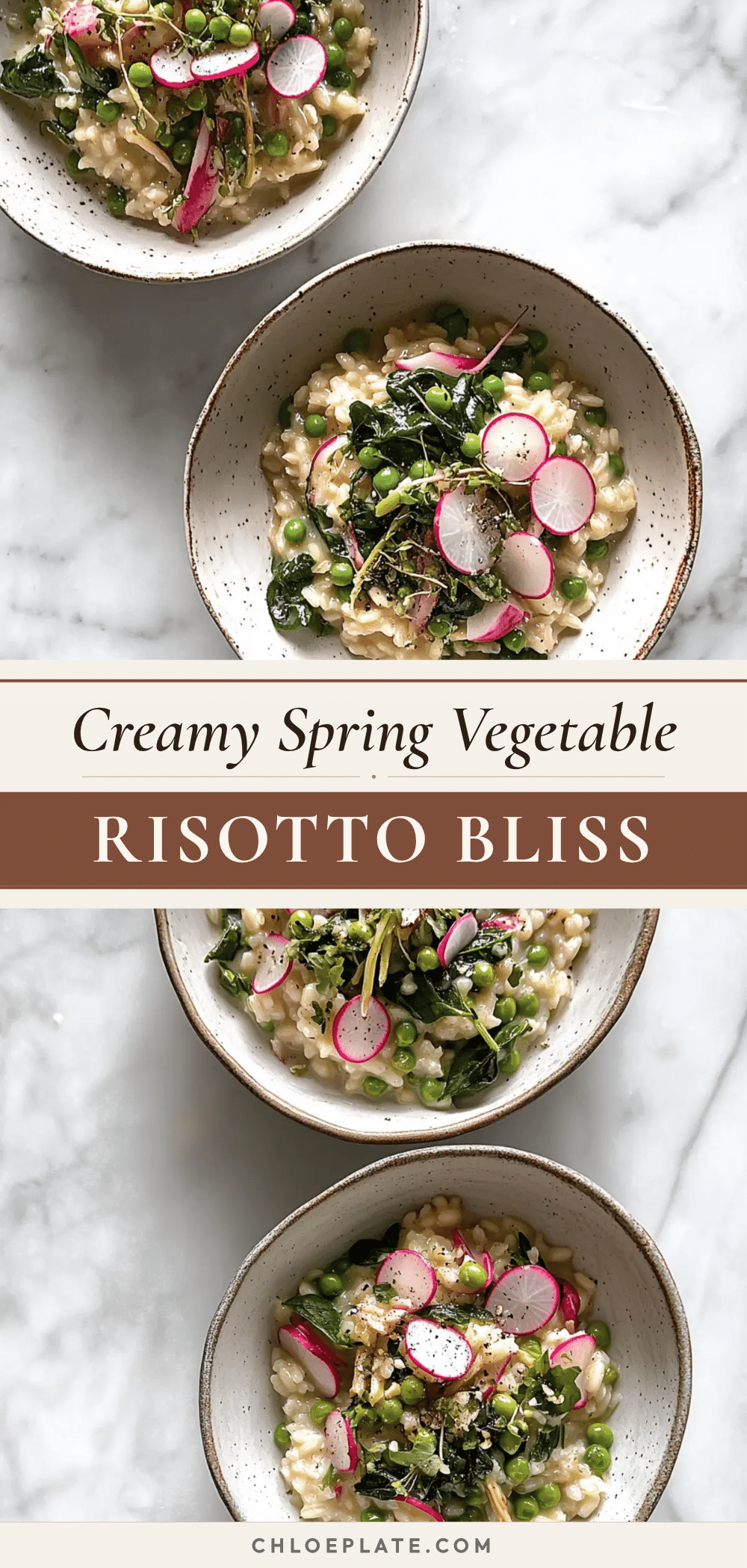
Creamy Spring Vegetable Risotto

A comforting and elegant risotto featuring tender asparagus, peas, and a creamy texture from cream cheese and Parmesan. Perfect for a quick homemade dinner with fresh spring vegetables.
- Prep Time: 10 minutes
- Cook Time: 30 minutes
- Total Time: 40 minutes
- Yield: 4 servings 1x
- Category: Main Course
- Cuisine: Italian
Ingredients
- 1 ½ cups Arborio rice (300g)
- 4 cups vegetable broth (950ml), kept warm
- 3 tablespoons unsalted butter (45g), divided
- 2 tablespoons olive oil (30ml)
- 1 small yellow onion, finely chopped
- 3 garlic cloves, minced
- 1 bunch asparagus (~12 spears), trimmed and cut into 1-inch pieces
- 1 cup frozen peas (150g)
- ½ cup dry white wine (120ml), optional
- ½ cup freshly grated Parmesan cheese (50g)
- 2 tablespoons cream cheese (30g), softened
- 2 tablespoons fresh parsley, chopped
- Salt and freshly ground black pepper, to taste
- 1 teaspoon lemon zest, optional
Instructions
- Warm your broth: Pour 4 cups (950ml) of vegetable broth into a medium saucepan and keep it on low heat. It should be hot but not boiling.
- Sauté the aromatics: In a large skillet over medium heat, melt 1 tablespoon (15g) of butter with 2 tablespoons (30ml) olive oil. Add the finely chopped onion and cook until translucent and soft, about 4-5 minutes. Stir in the minced garlic and cook for another 1 minute until fragrant.
- Add the rice: Pour in 1 ½ cups (300g) Arborio rice and stir well to coat each grain with the butter and oil mixture. Toast the rice gently for about 2 minutes until edges turn slightly translucent.
- Deglaze with wine: Carefully pour in ½ cup (120ml) dry white wine, stirring constantly until mostly absorbed.
- Begin adding broth: Add about ½ cup (120ml) of the hot vegetable broth to the rice. Stir gently and frequently until the liquid is nearly absorbed, about 3-4 minutes.
- Repeat broth addition: Continue adding broth ½ cup at a time, stirring often and waiting until it’s mostly absorbed before adding more. This process takes about 20-25 minutes total. The rice should become tender but still have a slight bite.
- Cook the vegetables: When you’ve added about half the broth, stir in the trimmed asparagus pieces. Add the frozen peas during the last 5 minutes of cooking.
- Finish with creaminess: Once the rice is tender and creamy, remove the pan from heat. Stir in 2 tablespoons (30g) softened cream cheese, ½ cup (50g) grated Parmesan, and 2 tablespoons chopped fresh parsley. Add 2 tablespoons (30g) butter for extra richness if desired.
- Season and brighten: Season with salt, freshly ground black pepper, and 1 teaspoon lemon zest. Taste and adjust seasoning as needed.
- Serve immediately: Spoon into warm bowls and enjoy right away for the best texture.
Notes
Keep stirring gently to avoid breaking the rice grains. Use warm broth and add it gradually for best creaminess. If risotto thickens too much, add a splash of broth or water before serving. Risotto is best served fresh but can be reheated gently with broth to restore creaminess.
Nutrition
- Serving Size: 1 cup risotto
- Calories: 350
- Sugar: 4
- Sodium: 550
- Fat: 14
- Saturated Fat: 8
- Carbohydrates: 45
- Fiber: 4
- Protein: 9
Keywords: risotto, spring vegetables, asparagus, peas, creamy risotto, easy dinner, Joanna Gaines recipe, homemade risotto, vegetarian risotto, quick risotto