Love this? Save it for later!
Share the inspiration with your friends
I was standing in front of my open fridge at 5:45 PM, staring blankly at a leftover fillet of salmon and a half-empty carton of heavy cream. It had been one of those days where nothing went right—the kind where you spill coffee on your white shirt before you’ve even had a sip. Dinner felt like the final boss of a bad day, and I wasn’t ready to fight. I had a bag of dried pasta in the pantry, a lemon rolling around in the fruit bowl, and a bunch of dill that was starting to look a little sad. Honestly, I almost just ordered takeout.
But then I remembered this trick I’d picked up from making a creamy dill sauce for fish a while back. I thought, why not just toss it all together in one pan? So I did. And let me tell you—what came out of that skillet was nothing short of a miracle. The salmon flaked into the silky, lemony sauce, coating every twist of pasta like it was made for it. I ate it standing at the counter, still in my work clothes, and felt the whole day melt away. That’s how this recipe was born: out of exhaustion, a little bit of luck, and a whole lot of hunger.
This Creamy Lemon Dill Salmon Pasta isn’t fancy. It doesn’t require a trip to a specialty store or a culinary degree. But it is the kind of meal that makes you close your eyes on the first bite. It’s bright, it’s rich, and it comes together in just about 30 minutes. Perfect for a weeknight when you need something that feels special but doesn’t ask too much of you.
Why You’ll Love This Recipe
I’ve tested this recipe about six times now—adjusting the amount of lemon, playing with the cream-to-pasta-water ratio, and even sneaking in some shallots one night when I felt fancy. Every version was good, but this one? This one is the winner. Here’s why I keep coming back to it.
- Quick & Easy: From start to finish, this dish is on the table in 30 minutes. No marinating, no complicated steps—just simple cooking that works.
- Simple Ingredients: You probably already have garlic, lemon, cream, and pasta in your kitchen. The salmon and dill are the only “special” buys, and both are easy to find at any grocery store.
- Perfect for Busy Weeknights: Whether you’re cooking for yourself or feeding a family, this meal feels like a hug in a bowl. It’s comforting without being heavy.
- Crowd-Pleaser: I’ve served this to friends who “don’t like fish” and watched them go back for seconds. The creamy sauce and bright lemon balance the salmon so well, even skeptics become fans.
- Unbelievably Delicious: The texture is everything—tender flakes of salmon, al dente pasta, and a sauce that’s silky but not too thick. It’s next-level comfort food, I swear.
What makes this recipe different from all the other salmon pasta recipes out there? It’s the technique. Instead of cooking the salmon separately and tossing it in at the end, I cook it right in the sauce. This infuses every bite with that rich, savory flavor. Plus, I use a splash of pasta water to emulsify the sauce, giving it that restaurant-quality shine without any extra butter or oil. It’s not just another version—it’s the best version.
Honestly, this recipe is for those nights when you want something that feels a little luxurious but doesn’t demand a lot of effort. It’s comfort food reimagined—fresher, faster, but with the same soul-soothing satisfaction. Perfect for impressing a date, feeding your family, or just treating yourself after a long day.
What Ingredients You Will Need
This recipe uses simple, wholesome ingredients to deliver bold flavor and satisfying texture. Most of these are pantry staples or easy to find at any grocery store. Let’s break down what you’ll need and why each one matters.
- 8 oz (225 g) pasta (fettuccine, linguine, or penne work great) – I prefer fettuccine for this dish because the wide ribbons hold onto the creamy sauce beautifully. But honestly, any pasta shape will do in a pinch.
- 1 lb (450 g) salmon fillet (skinless, cut into 1-inch cubes) – Look for fresh, wild-caught salmon if you can. It has a firmer texture and richer flavor. If using frozen, just make sure to thaw it completely and pat it dry before cooking.
- 2 tbsp (30 ml) olive oil – A good quality extra virgin olive oil adds a subtle fruity note to the sauce. I like using a mild one so it doesn’t overpower the lemon and dill.
- 3 cloves garlic (minced) – Fresh garlic is non-negotiable here. It adds that pungent, savory backbone to the sauce. Pre-minced jarred garlic just doesn’t hit the same.
- 1 cup (240 ml) heavy cream – This is what makes the sauce luxuriously creamy. For a lighter version, you can use half-and-half, but the sauce won’t be as thick.
- 1/2 cup (120 ml) chicken or vegetable broth – Adds depth and helps thin the sauce to the perfect consistency. I usually go with chicken broth for a richer flavor.
- 1/4 cup (60 ml) fresh lemon juice (about 1 large lemon) – Fresh is key here. Bottled lemon juice tastes flat and can make the sauce bitter. Trust me on this one.
- 1 tbsp lemon zest – This brings a bright, aromatic citrus punch that the juice alone can’t deliver. It’s like the secret weapon of this dish.
- 2 tbsp (8 g) fresh dill (chopped) – Dill and salmon are a classic pairing for a reason. The herbaceous, slightly sweet flavor cuts through the richness of the cream perfectly.
- 1/2 cup (50 g) grated Parmesan cheese – Adds a salty, nutty umami that takes the sauce from good to incredible. I recommend grating it fresh from a block—the pre-shredded stuff has anti-caking agents that prevent it from melting smoothly.
- Salt and black pepper (to taste) – Simple seasonings that bring everything together.
- 1/4 tsp red pepper flakes (optional) – A tiny pinch adds a gentle warmth that complements the lemon and dill without making it spicy.
Substitution Tip: If you’re dairy-sensitive, you can swap the heavy cream for full-fat coconut milk and use a dairy-free Parmesan alternative. The flavor will shift slightly, but it’s still delicious. Also, if you don’t have fresh dill, you can use 1 teaspoon of dried dill—just add it earlier in the cooking process to let it rehydrate.
Equipment Needed
You don’t need a fancy kitchen to pull this off. Here’s what I use every time I make this recipe.
- Large pot – For boiling the pasta. Make sure it’s big enough so the pasta has room to move around.
- Large skillet or sauté pan – A 12-inch skillet is ideal. You need enough surface area to cook the salmon in a single layer and room to toss the pasta with the sauce.
- Microplane or fine grater – For zesting the lemon. A regular box grater works too, but a microplane gives you those fluffy, aromatic bits that melt right into the sauce.
- Wooden spoon or silicone spatula – For stirring the sauce and gently folding in the salmon so it doesn’t break apart too much.
- Sharp knife and cutting board – For cubing the salmon and mincing the garlic.
- Measuring cups and spoons – Accuracy matters, especially with the cream and lemon juice.
- Tongs – Super helpful for tossing the pasta with the sauce and serving.
If you don’t have a microplane, you can use a vegetable peeler to remove strips of lemon zest, then mince them finely with a knife. It’s a little more work, but it gets the job done. And honestly, I’ve made this recipe with just a pot and a skillet—no fancy gadgets required.
Preparation Method
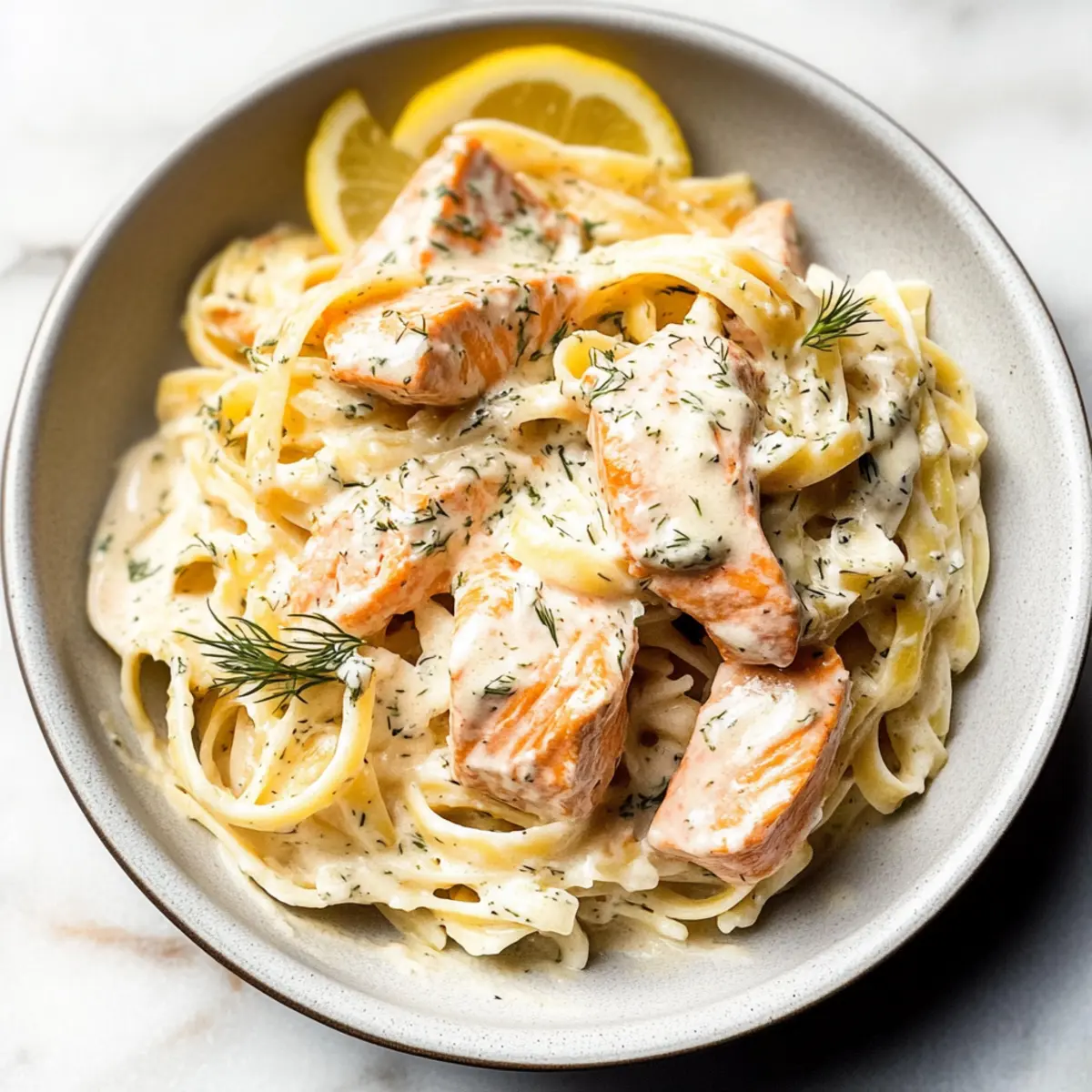
Let’s get cooking. This comes together faster than you think, so I like to have all my ingredients prepped and ready before I turn on the heat.
- Start the pasta water. Fill a large pot with water, add a generous pinch of salt, and bring it to a rolling boil. While you’re waiting, you can prep the other ingredients. Cook the pasta according to the package directions until al dente. Before you drain it, reserve about 1 cup (240 ml) of the starchy pasta water. This is liquid gold for your sauce—it helps emulsify everything and gives it that silky finish.
- Season and sear the salmon. While the pasta cooks, pat the salmon cubes dry with paper towels. Season them lightly with salt and pepper. Heat the olive oil in your large skillet over medium-high heat. Once the oil shimmers (but isn’t smoking), add the salmon cubes in a single layer. Cook for 2-3 minutes per side, until golden brown and cooked through. The fish should flake easily with a fork. Use a slotted spoon to transfer the salmon to a plate and set it aside.
- Build the sauce. In the same skillet (don’t wipe it out—those browned bits are flavor!), reduce the heat to medium. Add the minced garlic and sauté for about 30 seconds until fragrant. Be careful not to burn it. Pour in the heavy cream and chicken broth, stirring constantly to scrape up any browned bits from the bottom of the pan. Let it come to a gentle simmer.
- Add the lemon and dill. Stir in the lemon juice, lemon zest, and fresh dill. Let the sauce simmer for 2-3 minutes, allowing it to thicken slightly. It should coat the back of a spoon. Season with salt, pepper, and red pepper flakes if using.
- Combine everything. Add the cooked pasta to the skillet with the sauce. Toss it well using tongs, making sure every strand is coated. If the sauce seems too thick, add a splash of the reserved pasta water—about 1/4 cup at a time—until it reaches your desired consistency. Gently fold in the cooked salmon cubes, being careful not to break them up too much.
- Finish with Parmesan. Sprinkle the grated Parmesan over the pasta and toss one last time. The cheese will melt into the sauce, adding a final layer of richness. Taste and adjust seasoning if needed.
- Serve immediately. Divide the pasta among bowls and garnish with extra fresh dill and a sprinkle of lemon zest. A crack of black pepper on top never hurts either.
Sensory cues: When the salmon is searing, you should hear a satisfying sizzle. The sauce will go from thin and watery to thick and glossy as it simmers. And when you add the Parmesan, you’ll see it disappear into the sauce almost instantly, leaving behind a velvety, golden finish.
Cooking Tips & Techniques
I’ve made this recipe enough times to know where things can go sideways. Here are my best tips to make sure yours turns out perfect every time.
- Don’t overcook the salmon. Salmon cooks fast, and it continues to cook a little even after you take it off the heat. Aim for just-cooked through—it should be opaque in the center but still moist. Overcooked salmon turns dry and flaky in a bad way.
- Use starchy pasta water wisely. This is the secret to a restaurant-quality sauce. The starch in the water helps bind the cream and cheese together, preventing that greasy separation. Add it slowly and stir well.
- Fresh dill is worth it. I know dried herbs are convenient, but fresh dill has a brightness that dried just can’t replicate. If you must use dried, use half the amount and add it earlier so it has time to soften.
- Don’t skip the zest. The lemon zest carries all the aromatic oils that make this dish smell incredible. It’s not just for looks—it adds a layer of flavor that the juice alone can’t provide.
- Taste as you go. This is the number one rule of cooking. The amount of salt and lemon you need depends on your salmon, your broth, and your personal preference. Trust your palate.
One time, I got distracted and let the cream simmer too long. It thickened into almost a paste, and I had to add extra pasta water to save it. It still tasted good, but the texture wasn’t as silky. So keep an eye on that sauce—it doesn’t need more than a few minutes.
Variations & Adaptations
This recipe is super flexible. Here are a few ways to change it up based on what you have or what you’re craving.
- Make it lighter: Swap the heavy cream for half-and-half or even whole milk mixed with a tablespoon of flour to thicken. It won’t be as rich, but it’s still creamy and delicious.
- Go gluten-free: Use your favorite gluten-free pasta. Just be careful not to overcook it—gluten-free pasta tends to get mushy fast. Reserve extra pasta water since gluten-free pasta releases more starch.
- Add vegetables: Toss in a handful of fresh spinach or baby kale right before you add the pasta. The heat from the sauce will wilt it down perfectly. You could also add cherry tomatoes or asparagus for extra color and crunch.
- Swap the protein: No salmon? Use cooked shrimp, leftover rotisserie chicken, or even canned tuna (drained and flaked) in a pinch. The sauce works beautifully with all of them.
- Try a different herb: If you’re not a dill fan, swap it for fresh basil or parsley. The flavor profile changes completely, but it’s still wonderful. I’ve even made this with tarragon, and it was surprisingly good.
My personal favorite variation? I add a handful of capers along with the garlic. The salty, briny pops of flavor are incredible against the creamy lemon sauce. It’s like a twist on classic salmon piccata, and I can’t get enough of it.
Serving & Storage Suggestions
This dish is best served fresh, but leftovers are still pretty amazing if you know how to handle them.
- Serving temperature: Serve the pasta hot, straight from the skillet. The sauce will thicken as it cools, so don’t let it sit too long before eating.
- Presentation: Twirl the pasta into nests using tongs for a cleaner look. Top with a few pieces of salmon, a sprinkle of fresh dill, and a lemon wedge on the side. A light dusting of red pepper flakes adds a pop of color.
- What to serve with it: A simple side salad with a bright creamy lemon basil vinaigrette is a perfect match. Or try it with some crusty bread to soak up any extra sauce. If you’re feeling fancy, a glass of crisp white wine like Sauvignon Blanc pairs beautifully.
- Storing leftovers: Transfer any leftovers to an airtight container and refrigerate for up to 3 days. The sauce will thicken significantly as it sits, so don’t be alarmed.
- Reheating: The best way to reheat is in a skillet over low heat with a splash of milk or cream to loosen the sauce. Stir gently until warmed through. Avoid the microwave—it can make the salmon rubbery and the sauce separate.
- Freezing: I don’t recommend freezing this dish. The cream sauce can separate and become grainy when thawed. It’s really best enjoyed fresh or within a couple of days.
One thing I love about this pasta is that the flavors actually get better after a day in the fridge. The lemon and dill meld together, and the salmon infuses the sauce even more. It’s a great make-ahead lunch for the next day.
Nutritional Information & Benefits
Here’s an approximate breakdown per serving (based on 4 servings):
- Calories: ~580 kcal
- Protein: 32 g
- Fat: 28 g
- Carbohydrates: 48 g
- Fiber: 2 g
- Sugar: 4 g
This dish isn’t just delicious—it’s packed with good-for-you ingredients. Salmon is rich in omega-3 fatty acids, which support heart and brain health. Dill is a good source of antioxidants and has been used traditionally for digestion. Lemon provides a healthy dose of vitamin C, and garlic is known for its immune-boosting properties.
If you’re watching your carb intake, you can swap the pasta for zucchini noodles or spaghetti squash. The sauce works beautifully with both. And if you’re dairy-free, the coconut milk substitution I mentioned earlier works great. Just keep in mind that the nutritional values will change with those swaps.
I personally love that this meal feels indulgent but isn’t loaded with empty calories. It’s the kind of dinner that satisfies a craving without leaving you feeling heavy.
Conclusion
This Creamy Lemon Dill Salmon Pasta has become my go-to for those nights when I need something that feels special but doesn’t take over my whole evening. It’s bright, it’s comforting, and it’s surprisingly easy to pull off. Whether you’re cooking for a crowd or just for yourself, I really think you’re going to love it.
Don’t be afraid to make it your own—add more lemon if you like it tangy, throw in some spinach for extra greens, or swap the salmon for shrimp. The base recipe is solid, but the variations are where the fun happens. I’d love to hear how yours turns out, so drop a comment below and let me know what twist you tried.
If you’re looking for another quick weeknight meal, you might enjoy this savory portobello mushroom pappardelle recipe—it’s also ready in 30 minutes and packed with flavor. And for a lighter side dish, this easy lemon orzo salad with grilled chicken is a great companion. Happy cooking!
Frequently Asked Questions
Can I use frozen salmon for this recipe?
Yes, you absolutely can. Just make sure to thaw it completely in the refrigerator overnight, then pat it very dry with paper towels before cutting and searing. Excess moisture will prevent the salmon from browning properly.
What’s the best pasta shape for this dish?
I love fettuccine or linguine because the wide noodles catch the sauce so well. But penne, rigatoni, or even bowties work great too. Use whatever you have on hand—it’s a forgiving recipe.
Can I make this dairy-free?
Yes! Substitute the heavy cream with full-fat coconut milk and use a dairy-free Parmesan alternative. The flavor will be slightly different but still delicious. Just be aware that coconut milk has a distinct taste that pairs well with the lemon and dill.
How do I prevent the sauce from breaking?
The key is to use starchy pasta water and to keep the heat at a gentle simmer, not a boil. Also, add the Parmesan slowly while stirring constantly. If the sauce does look like it’s separating, whisk in a tablespoon of cold butter or a splash of cream to bring it back together.
Can I add vegetables to this pasta?
Absolutely. Spinach, cherry tomatoes, asparagus, or even peas work wonderfully. Add them just before you toss in the pasta so they have time to warm through without getting mushy. It’s a great way to sneak in extra veggies.
Pin This Recipe!
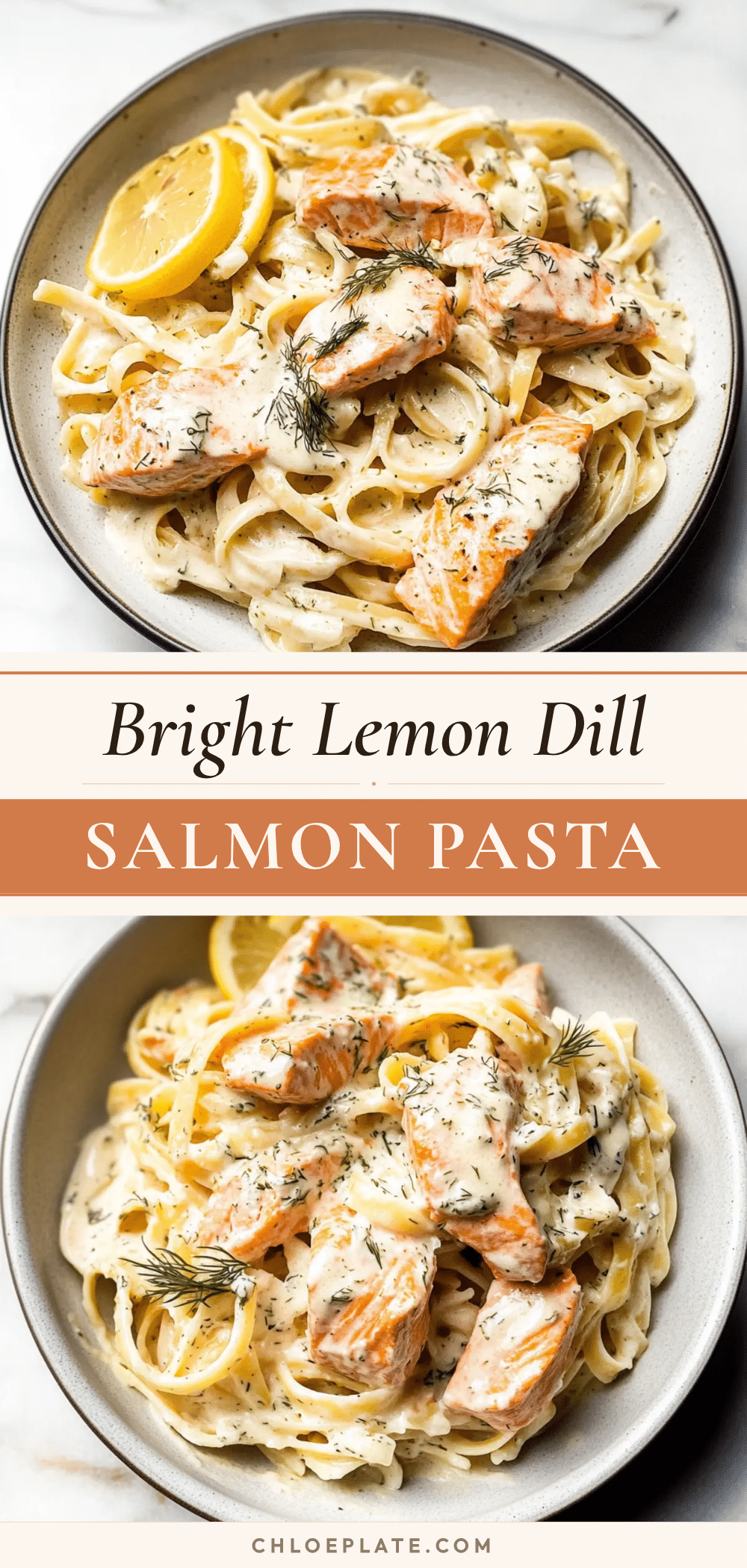
Creamy Lemon Dill Salmon Pasta
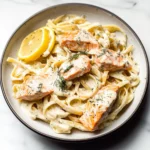
A quick and easy 30-minute dinner featuring tender salmon, silky lemon dill sauce, and al dente pasta. Perfect for busy weeknights when you need something comforting yet special.
- Prep Time: 10 minutes
- Cook Time: 20 minutes
- Total Time: 30 minutes
- Yield: 4 servings 1x
- Category: Main Course
- Cuisine: American
Ingredients
- 8 oz (225 g) pasta (fettuccine, linguine, or penne)
- 1 lb (450 g) salmon fillet (skinless, cut into 1-inch cubes)
- 2 tbsp (30 ml) olive oil
- 3 cloves garlic (minced)
- 1 cup (240 ml) heavy cream
- 1/2 cup (120 ml) chicken or vegetable broth
- 1/4 cup (60 ml) fresh lemon juice (about 1 large lemon)
- 1 tbsp lemon zest
- 2 tbsp (8 g) fresh dill (chopped)
- 1/2 cup (50 g) grated Parmesan cheese
- Salt and black pepper (to taste)
- 1/4 tsp red pepper flakes (optional)
Instructions
- Fill a large pot with water, add a generous pinch of salt, and bring to a rolling boil. Cook pasta according to package directions until al dente. Reserve about 1 cup (240 ml) of starchy pasta water before draining.
- Pat salmon cubes dry with paper towels and season lightly with salt and pepper. Heat olive oil in a large skillet over medium-high heat. Add salmon in a single layer and cook for 2-3 minutes per side until golden brown and cooked through. Transfer to a plate and set aside.
- In the same skillet over medium heat, add minced garlic and sauté for about 30 seconds until fragrant. Pour in heavy cream and chicken broth, stirring constantly to scrape up browned bits. Let it come to a gentle simmer.
- Stir in lemon juice, lemon zest, and fresh dill. Let the sauce simmer for 2-3 minutes until slightly thickened. Season with salt, pepper, and red pepper flakes if using.
- Add cooked pasta to the skillet and toss well with tongs to coat. If sauce is too thick, add reserved pasta water 1/4 cup at a time until desired consistency. Gently fold in cooked salmon cubes.
- Sprinkle grated Parmesan over the pasta and toss one last time. Taste and adjust seasoning if needed.
- Serve immediately, garnished with extra fresh dill and lemon zest. Add a crack of black pepper on top if desired.
Notes
Don’t overcook the salmon; it should be just cooked through and moist. Use starchy pasta water to emulsify the sauce for a silky finish. Fresh dill is preferred over dried for brightness. Lemon zest adds aromatic oils that enhance flavor. Taste as you go to adjust seasoning.
Nutrition
- Serving Size: 1 serving
- Calories: 580
- Sugar: 4
- Fat: 28
- Carbohydrates: 48
- Fiber: 2
- Protein: 32
Keywords: creamy lemon dill salmon pasta, 30-minute dinner, easy salmon pasta, weeknight dinner, salmon recipe, creamy pasta